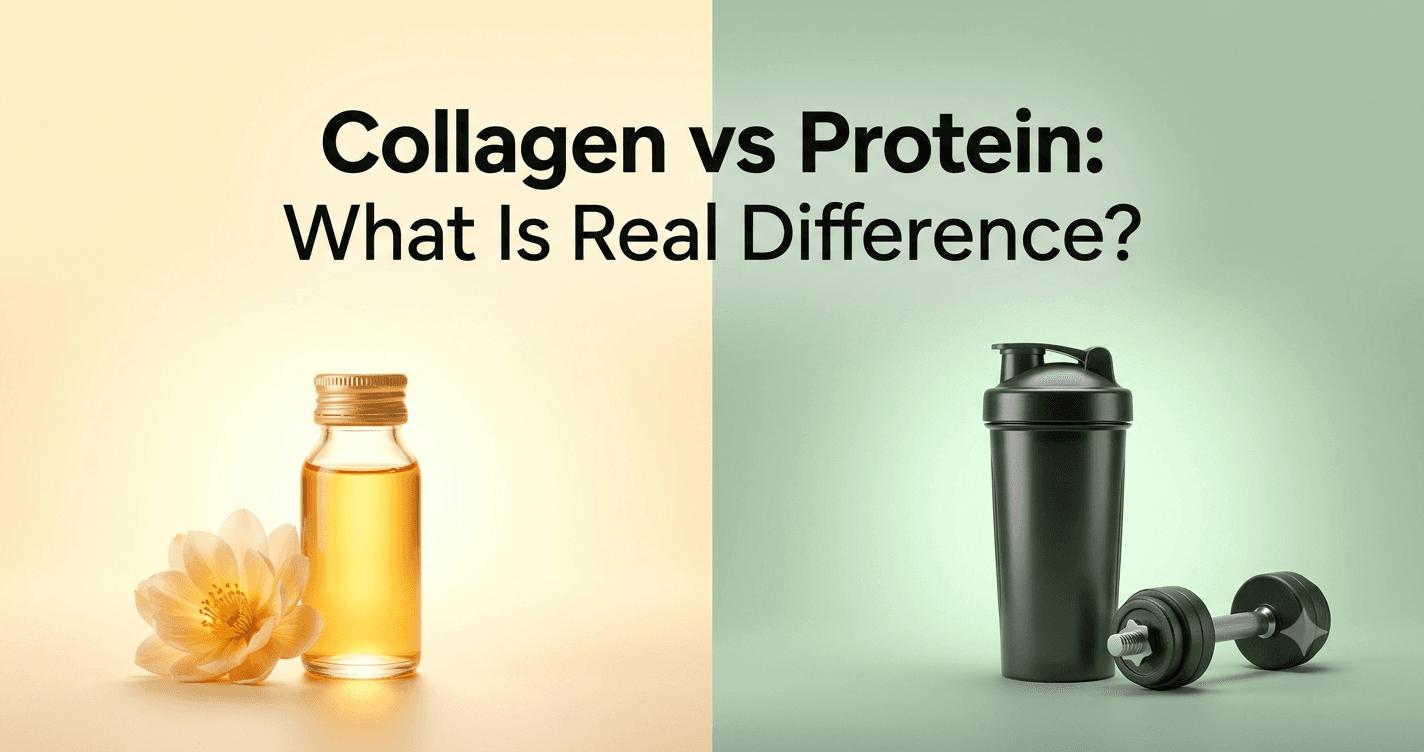
Both are proteins — but they do very different things in your body. Understanding the distinction helps you choose the right supplement for your specific goals.
The Confusion Is Understandable
Both collagen and protein powders are sold in the supplements aisle. Both are proteins. Both support body composition and recovery. So why are they shelved separately, and should you be taking one, the other, or both?
The answer comes down to amino acid profiles — the specific building blocks that make up each protein — and the jobs those amino acids are assigned to do in your body.
What Is Collagen Protein?
Collagen is the most abundant protein in the human body, comprising roughly 30% of total protein. It forms the structural matrix of:
- Skin (maintains elasticity and hydration)
- Joints and cartilage (cushioning and flexibility)
- Tendons and ligaments (connecting muscle to bone)
- Gut lining (intestinal integrity)
- Bones (flexible structural component)
- Hair and nails (strength and growth)
Collagen is rich in three specific amino acids: glycine, proline, and hydroxyproline. These are relatively rare in other protein sources, which is why you cannot simply "eat more protein" and expect collagen-specific benefits.
Hydrolysed collagen (collagen peptides) is collagen that has been broken into smaller fragments, making it significantly easier for your body to absorb and use.
What Is "Regular" Protein?
When most people talk about protein supplements, they mean complete proteins — typically:
- Whey protein: Derived from milk; fast-absorbing; rich in leucine (the primary trigger for muscle protein synthesis)
- Casein protein: Also milk-derived; slow-digesting; good for overnight recovery
- Plant proteins: Pea, rice, hemp; suitable for vegans/vegetarians; often blended to achieve a complete amino acid profile
These are "complete" proteins because they contain all nine essential amino acids — meaning your body cannot make them and must get them from food. They are particularly high in leucine, isoleucine, and valine (branched-chain amino acids or BCAAs), which drive muscle protein synthesis.
The Key Differences
| Factor | Collagen Protein | Whey / Plant Protein |
|---|---|---|
| Primary amino acids | Glycine, proline, hydroxyproline | Leucine, isoleucine, valine (BCAAs) |
| Complete protein? | No (low in tryptophan) | Yes (all 9 essential amino acids) |
| Primary benefit | Skin, joints, gut, tendons | Muscle growth and recovery |
| Triggers muscle synthesis? | Weakly (low leucine) | Yes (high leucine) |
| Supports connective tissue? | Strongly | Weakly |
| Best taken | Morning; before exercise | Post-workout; any time |
Which One Should You Take?
The answer depends entirely on your primary goal:
Choose Collagen If:
- You want to improve skin elasticity and reduce fine lines
- You experience joint pain or stiffness
- You want stronger hair and nails
- You have gut health concerns (collagen supports gut lining integrity)
- You are recovering from a tendon or ligament injury
- You are 25+ and noticing signs of collagen decline
Choose Whey/Plant Protein If:
- You are training intensely and want to maximise muscle growth
- You struggle to hit your daily protein targets from food alone
- You want the most efficient post-workout recovery supplement
- Your primary goal is body composition (gaining muscle, losing fat)
Can You Take Both? Yes — and They Complement Each Other
Collagen and whey/plant protein are not competitors — they address different physiological needs. Many athletes and active individuals take both:
- Collagen in the morning (with Vitamin C for synthesis) to support joints and connective tissue before training
- Whey protein post-workout to drive muscle protein synthesis and recovery
Research from the British Journal of Nutrition suggests collagen supplementation alongside resistance training leads to greater strength gains than resistance training alone — even though collagen is not primarily a "muscle protein." The mechanism? Stronger tendons and ligaments allow muscles to be trained more effectively and with fewer injuries.
A Note on Quality
As with all supplements, formulation quality matters enormously. For collagen, look for:
- Hydrolysed collagen peptides (not gelatin — lower bioavailability)
- Marine or grass-fed bovine sourcing
- Added Vitamin C (essential co-factor for collagen synthesis)
- Liquid format for maximum absorption
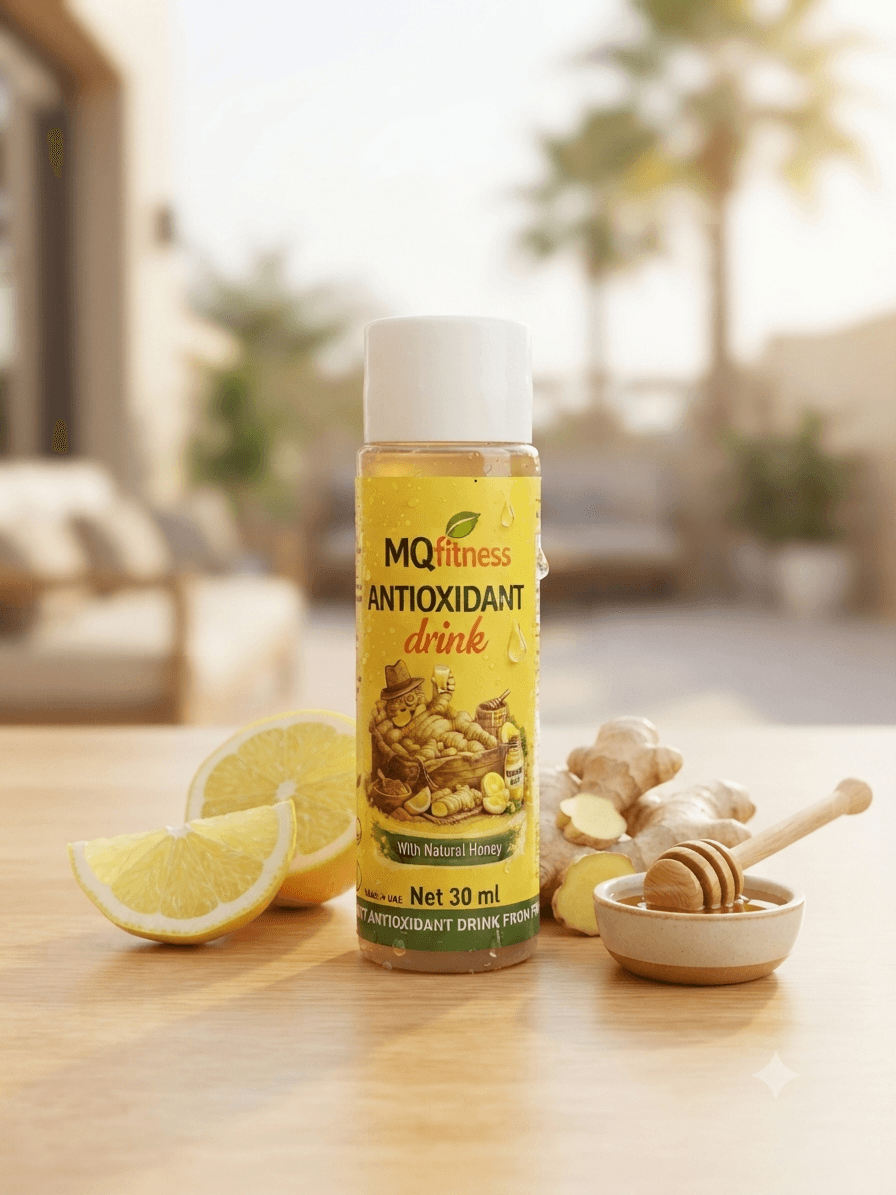
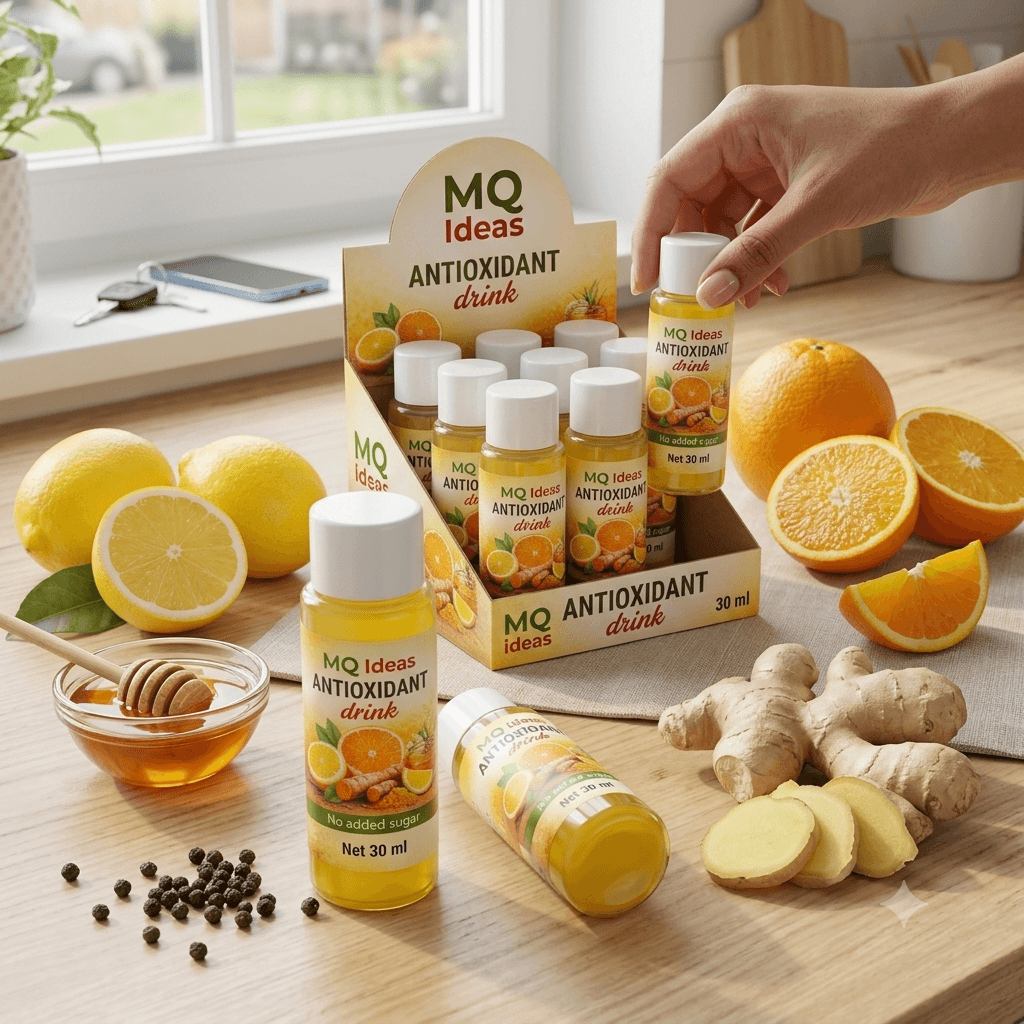
MQ Ideas' collagen drinks are formulated to meet all of these criteria — making them the most effective way to address collagen-related goals whether you are a weekend wellness enthusiast or a serious athlete looking to protect your joints for the long term.
From Our Wellness Market
Products mentioned in this article

Ready to start your wellness journey?
Explore MQ Ideas collagen drinks — science-backed, UAE-made, and formulated for real results.